
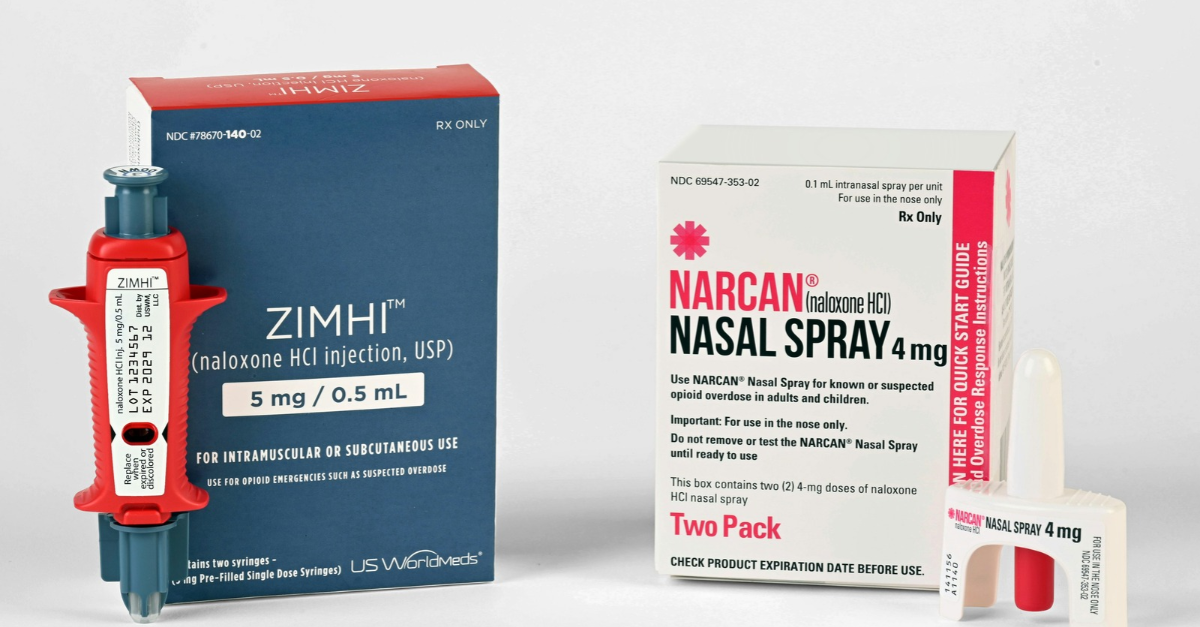
The Occupational Safety and Health Administration (OSHA) recently released a fact sheet — Opioid Overdose Rescue with Reversal Medications — to help prepare employers and workplaces for responding to opioid emergencies. The new guidance is part of a government-wide program called the Great American Recovery Initiative, which encourages department heads and other leaders throughout the federal government to “take appropriate actions to increase awareness of the disease of addiction, help Americans receive the treatment they need, and foster a culture that celebrates recovery.”
The fact sheet does not create any new requirements. It does provide some helpful advice.
The Crisis
The new fact sheet builds on several years of federal efforts to address the opioid crisis in the workplace. The National Institute for Occupational Safety and Health (NIOSH) published guidance in 2018 to help employers and workers understand the risk of opioid overdose, and some suggestions for establishing a workplace naloxone availability and use program. NIOSH set off louder alarm bells in 2024, when they reported that workplace deaths from unintentional drug overdoses had increased nearly 500 percent between 2012 and 2020, and certain industries — particularly those involving physically demanding or hazardous work — experience the highest rates of substance use disorders and overdose deaths. In 2025, according to the Centers for Disease Control and Prevention (CDC), there were 44,564 opioid-related overdose deaths in the United States; a decrease from 55,296 in 2024 and 81,083 in 2023. Nevertheless, it is still a serious problem.
Strategic Response
Opioid misuse is an ongoing public health concern, and if you and your managers could be confronted with an opioid-related emergency in the months ahead, OSHA’s new fact sheet outlines several actions that employers can take to prepare and respond effectively.
- Training. Managers and other workers should be trained in addressing the signs of an
opioid overdose, how opioid overdose reversal medications work, and how to administer
them. - Resources. Provide easily available resources to support ongoing learning about opioids — heroin, fentanyl, oxycodone, and morphine — and the use of opioid overdose reversal medications like naloxone.
- Accessibility. OSHA recommends placing overdose kits alongside first-aid kits and automated external defibrillators and storing all these emergency items together in visible, easily accessible locations. Larger facilities may want to keep kits in multiple locations.
- Integration. Integrate overdose response into your existing emergency-response and first-aid procedures. This includes establishing clear protocols and responsibilities about calling 911, directing emergency responders to the affected individual, documenting the incident, and coordinating with other providers when necessary.
If you are considering an opioid overdose rescue program for your workplace and have questions — or have concerns about your current overdose training program, emergency response protocols, or recordkeeping responsibilities — don’t hesitate to contact Orr & Reno for assistance.


